Thirty minutes. One role. Three things written down.

Book a free Audit

Hiring Mastery Programme

The whole method, on a role you are hiring for now.

Managers and people leaders. Six weeks. Five people. Nothing hypothetical – the case study is the requisition already on your desk.

Book your free audit call

45 min · with Konstanty, not a sales rep · you leave with a diagnosis either way

Two people across a table, one taking notes
Duration
Six weeks
Cohort
Five
Work
A live role
Language
English
Price
Price on request

The cost of improvising

Most managers inherit hiring with the title and invent a method under pressure. The interviews feel fine. The debriefs are theatre. Six months later nobody can say why that person got the offer – and the next hire starts from zero again.

What it is

The whole method, start to finish, applied to a role you are hiring for while the programme runs. You leave with the role defined, an interview loop your team can run without you, and a scorecard that holds up in a debrief. Most participants make a hire before the last session.

Duration

Six weeks

Six weekly live sessions, with a few focused hours on your role between them.

Cohort

Five

Five people, each carrying a live hire, so every role gets worked on in the session.

Work

A live role

The role you are hiring for now is the course material. You finish with it defined, interviewed for and decided.

The case study is the requisition already on your desk. Define the role before anyone walks in, interview for evidence rather than a performance, and decide against a scorecard that was complete before anyone spoke. A method that lives in one person’s head is a bottleneck with good intentions.

Where this is useful

  • Managers who inherited hiring along with the title.
  • Founders making a first senior hire, where being wrong costs a year.
  • People leaders who need one standard that holds across teams.

Where it is not

  • Filling a pipeline. I do not source and I do not place.
  • A webinar on how to hire.
  • Anyone hoping I will make the call for them.

What leaders say

Learning to articulate clear role expectations and the attributes candidates need to succeed has transformed my hiring approach. With that foundation, every subsequent decision becomes straightforward – we cut time-to-offer by ~30%* on our next engineering round. I appreciated the class for its pragmatic, easy-to-apply framework.

Christoph Henzelmann

Engineering Chapter Lead, DKB

DKB
Konstanty’s "School of Hiring" is a must for any hiring manager. Throughout the programme, he not only breaks down the “why” behind each training module, but also equips you with a clear, actionable toolkit for every step of your hiring process, from the preparation all the way to crafting an onboarding plan for your new hire. I especially loved the "Hiring blueprint" and "Interview Mastery" modules. What really sets this programme apart are the 1:1 coaching sessions – first-year attrition on those hires dropped ~25%*. Can’t recommend it enough!

Stiliyana Yordanova

Engineering Manager, DKB Code Factory

DKB Code Factory
Konstanty and the team he built around him, is ultra-professional, laser-focused, no-frills and altogether a joy to work with. Our leadership debriefs stopped looping – decision cycles shortened by roughly two weeks* per senior hire.

Christoph Monnet

Board Member, Hypoport InsureTech

Hypoport
Konstanty is one of the most insightful professionals I’ve worked with when it comes to hiring and organizational strategy. His ability to combine a deep understanding of business with a methodical, people-focused approach is exceptional. Working with him has been a game-changer – agency spend down ~40%* in two quarters as managers owned the process. If you’re serious about building a high-performing team, he is the person you need by your side.

Oliver Aust

Founder, Eo Ipso

Eo Ipso Communications

Trusted by

DKB Code FactoryArdeltRECUPFlagship Founders
Book your free audit call

45 min · with Konstanty, not a sales rep · you leave with a diagnosis either way

Syllabus

An empty meeting room with a long table by the windows

01

The role before anyone walks in

We take the requisition you are actually carrying and strip it back to three things: why the seat exists for the next twelve months, what has to be true by then, and what someone must be good at to get there. If the panel cannot agree on the mission, the candidates are not the problem.

You produce

The requisition stripped back to why the seat exists, what has to be true, and what someone must be good at.

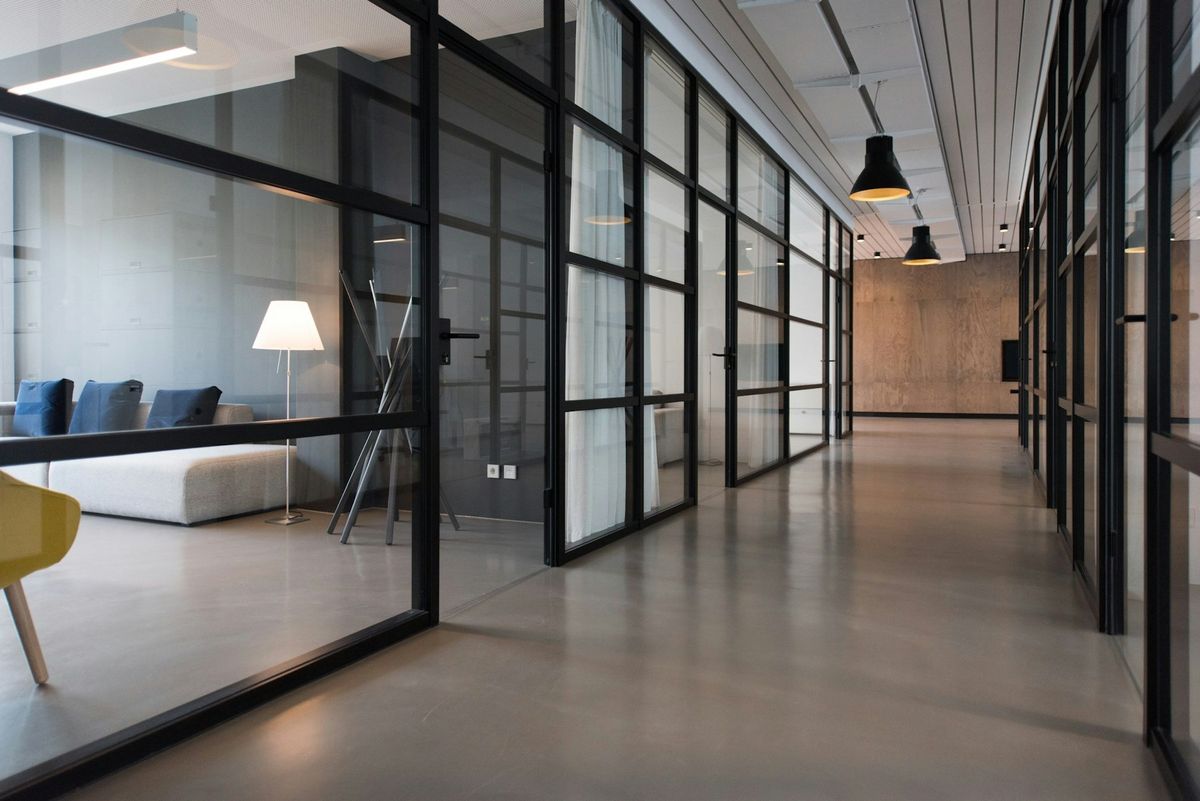
A glass-walled corridor of meeting rooms

02

The blueprint

Mission, outcomes, competencies – on one page, signed off by everyone who holds a veto. Three to five competencies, not eleven. Outcomes with dates. This is the only part of hiring that cannot be recovered later, so we spend the week until it is true.

You produce

A one-page blueprint: mission, outcomes, three to five competencies, signed off by everyone who holds a veto.

A bright breakout area with armchairs and a floor lamp

03

The loop

Who asks what, and why overlap is how you hire by vibe. One competency per interviewer. A sequence that holds for every candidate, so the differences you see belong to them and not to the morning each interviewer happened to have.

You produce

An interview loop: who asks what, one competency per interviewer, the same sequence for every candidate.

A hand writing notes beside a cup of coffee

04

Evidence, not impression

Questions about what happened, not what they would do. Follow up until you have specifics: when, with whom, what changed. Notes written within ten minutes, before anyone compares. An unstructured interview measures how comfortable someone is in an unstructured interview. This week is the alternative.

You produce

Notes written within ten minutes, from questions about what happened, before anyone compares.

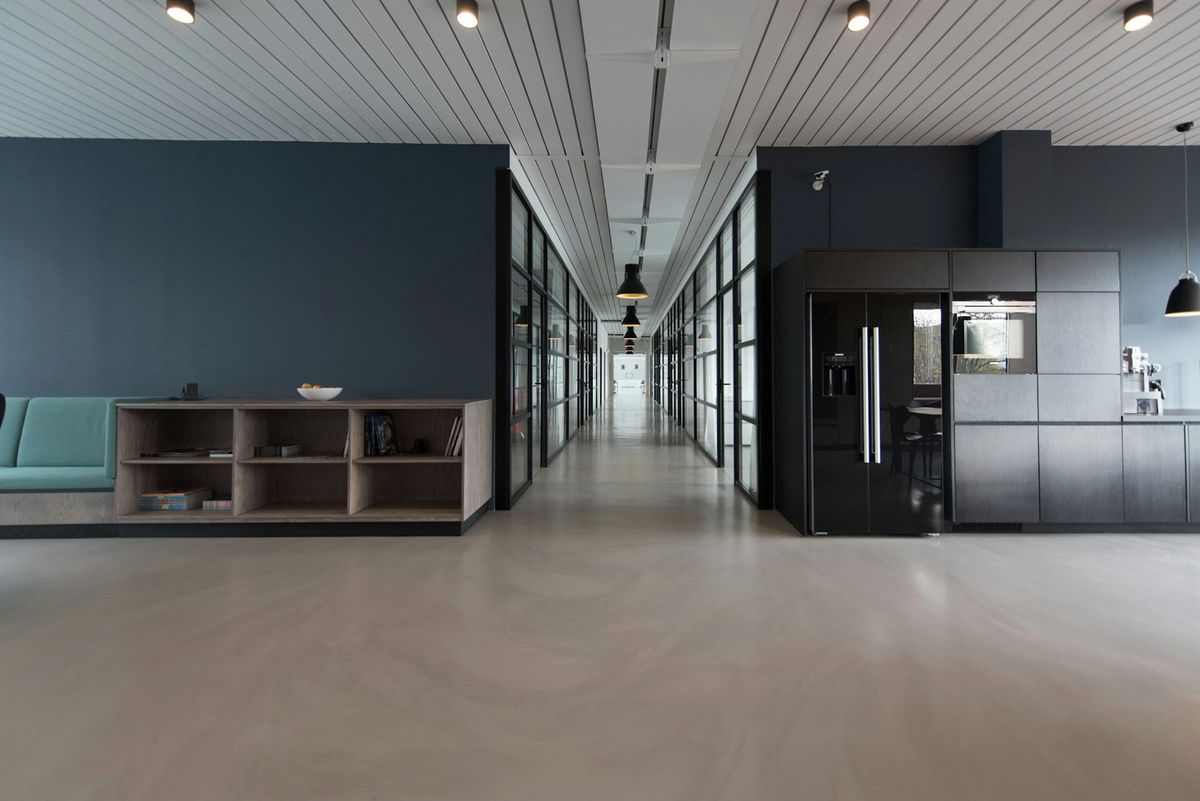
A long office corridor with a kitchen along one side

05

The debrief

Twenty minutes, because the work was done earlier. It opens with evidence, not with a verdict. The scorecard is complete before anyone speaks. You practise on your own candidates, with someone willing to tell you the question was bad.

You produce

A debrief that opens with evidence, practised on your own candidates, with the scorecard complete before anyone speaks.

A laptop on a standing desk by a tall window

06

The standard

A method that lives in one person’s head is a bottleneck with good intentions. This week is templates, a named owner, and a six-month check: did the prediction hold? Do that four times and hiring stops being an event.

You produce

Templates, a named owner, and a six-month check: did the prediction hold?

Book your free audit call

45 min · with Konstanty, not a sales rep · you leave with a diagnosis either way

You leave with

  1. 01

    The role, written down

    Mission, outcomes and competencies on one page – short enough to remember, specific enough to hire against.

  2. 02

    A loop the panel can run

    Who assesses what, in what order, with questions that ask for evidence rather than a performance.

  3. 03

    A scorecard that holds

    Completed before the debrief, so the conversation is about the evidence and not about who spoke last.

  4. 04

    A call you can still explain

    Most people in the room make a hire before the last session. The point is being able to say why, six months later.

Before and after

  • Before

    Most managers inherit hiring with the title and invent a method under pressure.

    After

    The role is written down: mission, outcomes and competencies on one page.

  • Before

    The interviews feel fine. The debriefs are theatre.

    After

    Who assesses what, in what order, with questions that ask for evidence. The scorecard is complete before the debrief.

  • Before

    Six months later nobody can say why that person got the offer – and the next hire starts from zero again.

    After

    A call you can still explain, and a method that lives in templates and a named owner rather than in one person’s head.

Time each week

One live session plus a few focused hours on your role between sessions.

First win

Mission, outcomes and competencies on one page – short enough to remember, specific enough to hire against.

Who teaches it

Konstanty Sliwowski

Konstanty Sliwowski

Published author. Twenty years hiring internationally — a thousand hiring decisions lived with. The work is done on your live roles, and watched the way surgery is watched.

  • Author of Get to the Point
  • Twenty years hiring internationally
  • A thousand hiring decisions lived with
LinkedIn

Cohorts stay at five because this is taught the way surgery is taught – on real cases, watched closely.

What happens next

  1. 01

    Book the call

    Pick a time and tell me what you are hiring for.

  2. 02

    The call

    45 minutes on your hiring today, the gap, and whether this offer fits.

  3. 03

    Dates

    Within one working day of the call: the dates, and what to have ready.

  4. 04

    Start with a live role

    Materials and the session calendar arrive a week before the start date. The case study is the requisition already on your desk.

Investment

Price on request

No hard sell. If it is not a fit, I will say so.

Book your free audit call

45 min · with Konstanty, not a sales rep · you leave with a diagnosis either way

Included

  • Six weekly sessions on a live role
  • The role written as mission, outcomes and competencies
  • An interview loop the panel can run without you
  • A scorecard completed before the debrief
  • Templates, a named owner, and a six-month check

Before you apply

Do I need an open role?

Yes. The case study is a requisition you are already carrying. If you are not hiring this quarter, wait – or start with Interview Mastery.

Is this for recruiters?

No. It is for the people who own the hire and sit the panel. Recruiters are welcome when they are installing the standard, not filling a pipeline for someone else.

How much time each week?

One live session plus the work on your role between sessions. Plan for a few focused hours. The point is the hire on your desk, not homework for its own sake.

What happens after six weeks?

You leave with a written role, a loop your panel can run, and a scorecard that holds in a debrief. Most people have made a hire by then. The method is yours to keep.

Next step

If you are hiring something that matters this quarter, this is the shorter route.

Book your free audit call

45 min · with Konstanty, not a sales rep · you leave with a diagnosis either way